
Parenting, autism, and wandering
There is plenty of judgement, but little else for parents of autistic children who wander

I went for a walk at 6:30am the other morning. It was very calming; dark, with the predawn light giving some visibility. The early morning fog made our ordinary urban neighbourhood seem otherworldly, dampened the city sounds, and it felt like I was the only person for miles around.
It was peaceful, mysterious, and quite delightful.
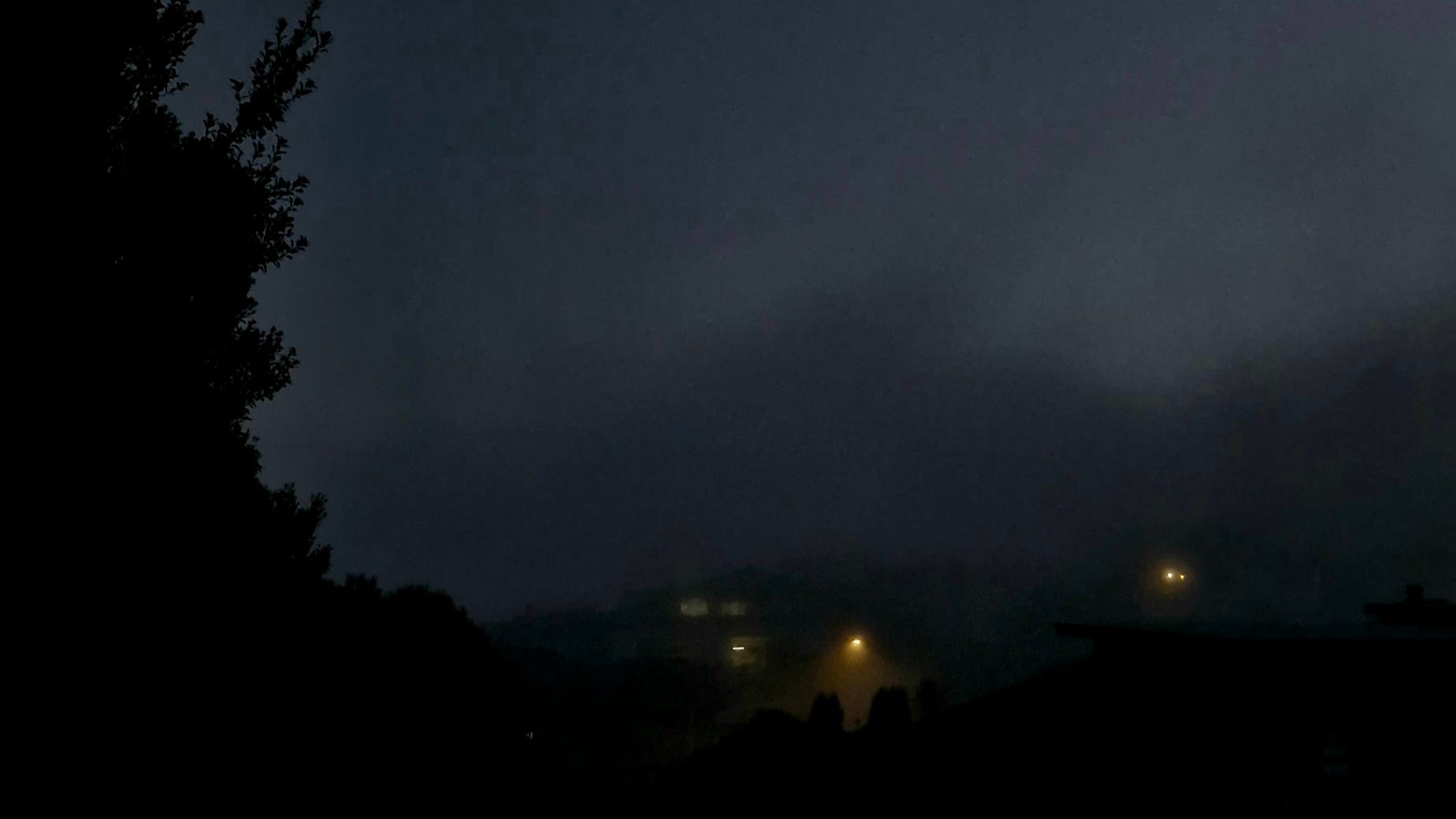
I can fully appreciate why an 11-year-old autistic girl might choose this time of night (day?) to go walking. In such light, the Fairfield Bridge would be rather enticing, with its curves and shadows.
The news of such a child being reported to police, misidentified, handcuffed, and injected with anti-psychotics did the rounds last week. You can read my thoughts here or listen to me talking with Blake Forbes and Nick Ruane here:
In comments across social media this week I have observed a great deal of misunderstanding of the everday realities of parenting a child who wanders.
Rebekah Corlett MNZM wrote a great piece here - I especially loved this phrasing of hers:
Our autistic kids run and climb with no motive or fear; They are drawn to water of any description; They ignore calls of their name, and danger. We can’t fix or cure that, we more than accept it because that is the essence of them - a pure, trusting, unfiltered and uncolonised wairua that feels rather than thinks about all things.
Parents of a child with autism and/or ADHD who wanders, whose inner restlessness means they walk for hours or run as far and as fast as they can before collapsing or even are prone to happily follow their interests with little attention to where they might physically be - well, such parents are all too familiar with having to locate their child on a regular basis.
Autistic children wandering off is so common, it has its own clinical term - “elopement behaviour”. I’m not a fan of the term (sounds too much like skiving off to Fiji to get married) plus it pathologises the child somewhat. That aside, a 2012 US study found that nearly half of children (49%) with autism wander off (or run away at speed) from safe, supervised places. Over a quarter (26%) were missing long enough to cause concern. Drowning incidents and traffic injury are a major fear.
There isn’t a lot parents can do - most recommendations for managing a wandering child include installing fences, alarms, and/or tracking devices, purchasing ID necklaces/jewellery, and having an emergency plan. Of course, safety fences and ID bracelets don’t come cheap and not every family has the necessary funding. Some wanderers are excellent escape artists, others refuse to wear jewellery for sensory reasons.
It becomes part of normal, everyday life - albeit a stressful one - the realisation that your child has gone for a walk or a run; you have a checklist you run through, an emergency plan you pull out and work with; you know they like gardens or parks or bridges, so you check all of those first, you call the neighbours to ask if they’ve seen your child, you let the school know, you notify family. It can be common for this to take several hours; some wanderers wander back home unassisted while others require the intervention of others. Contacting police may well be last on the list.
Most autistic children are wandering, as Rebekah C notes above, simply because they enjoy running and exploring. This is supported by existing research, which notes that over half of autistic children wander because they enjoy the sensation (54%), with just over a third heading to a favourite place they enjoy (e.g., a park) or pursuing a special topic of interest (e.g., a child fascinated by trains heads for the train tracks).
Around a third wander due to trying trying to escape an anxious situation or avoiding uncomfortable sensory stimuli (e.g., loud noises).
Despite wandering being common in autistic children, and an activity the child enjoys, most parents receive little to no support or information from professionals regarding ways to prevent or manage their child’s tendency to gap it. Instead, parents get left to manage it best they can, no funding for alarms or fences or ID, no ongoing training or support, just a shrug and an expectation that the parent will be constantly on alert, never sleep or take a break or do something for themselves, and somehow magically manage the extra care load.
Regarding funding for autistic children (and, by extension, thier families), this has been slashed by the current national-led government. Te Puāwai o ngā Kahukura wrote yesterday that at least one large disability support provider has completely run out of funding to provide support to autistic people:
Unless someone requires residential care (which still holds a 6-month waitlist), newly diagnosed and referred autistic adults and children are, apparently, now unable to access any support under the NASC Autism Pathway through Kia Roha.
Instead of funding and support, what parents of autistic children get instead is judgement - and loads of it, going by the comments on social media this week.
I find the lack of funding deeply ironic in a smash face into brick wall kind of way. All I've heard for the last 3 years is how important early identification and intervention (where appropriate) are. Saying here's your diagnosis, good luck 🤷♀️ really doesn't square with that. My son's first assessment appointment is Monday, so we'll see what they say about supports.
Thanks for quoting my post Bex. I'm so freaking scared that my autistic child, who's wandering I've been trying to mitigate since 3 years of age, is going to slip out and get into trouble while I'm fatigue crashed or sleeping. I wake up every morning to her sneaking, tiptoed into my room to raid my snack drawer (she has her own, it is stocked) or to search for a device (limited in the mornings due to ongoing morning meltdowns). It's better than the alternative - waking up to find she's gone again - but a realistic fear and a persistent hypervigilance. I have Long Covid. I need to rest and I won't get better without wraparound support for our whānau that sees the whole picture, and not only one of us at a time.